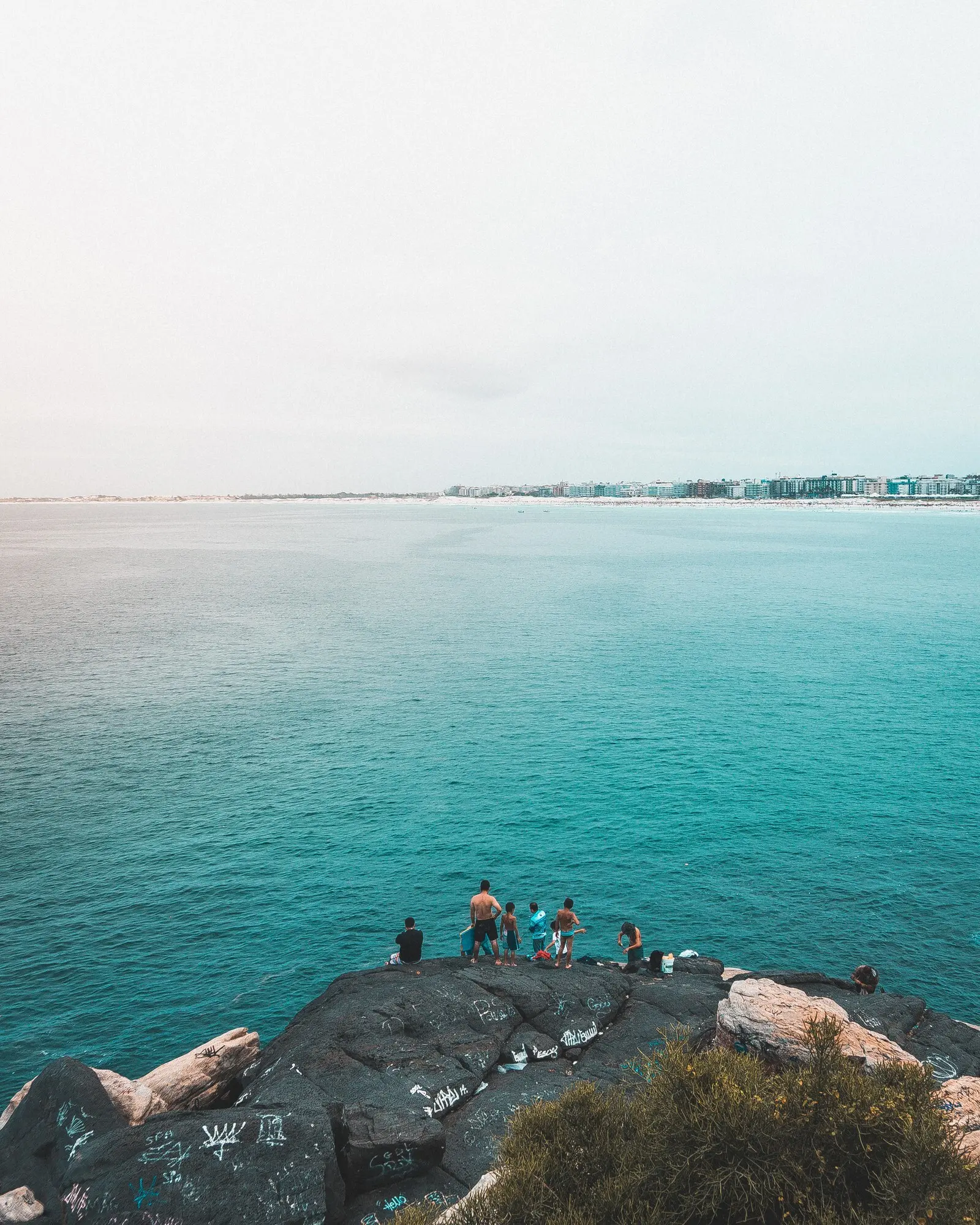
Coves, Paddles, and Beacon Trails

Welcome aboard a weekend rhythm shaped by salt air and steady footsteps. We’re diving into Kayak-and-Hike Coastal Weekenders: Paddling into Coves and Trekking to Lighthouses, celebrating compact adventures where dawn launches meet windswept stairways, and quiet beach landings turn into cliff-top views. Expect practical planning, lived stories, and joyful mishaps turned into wisdom. Pack for spray and granite, listen for foghorns and oystercatchers, and discover how a single shoreline can host two journeys braided into one unforgettable escape.

Charting a Seamless Coastal Circuit

A coastal loop feels effortless when water and land timings fit like gears. Study tide tables and current atlases to find generous flood assists into sheltered coves, then plan hikes that crest during golden hours. Lighthouse visiting hours, shuttle ideas, and parking nuances matter as much as nautical charts. Choose conservative legs at first, shorter crossings, and trails with bailouts. The right plan leaves room for savoring kelp-fringed silence, long lens lighthouse shots, and an unhurried thermos break above glinting swell.

Tides, Currents, and Windows of Opportunity
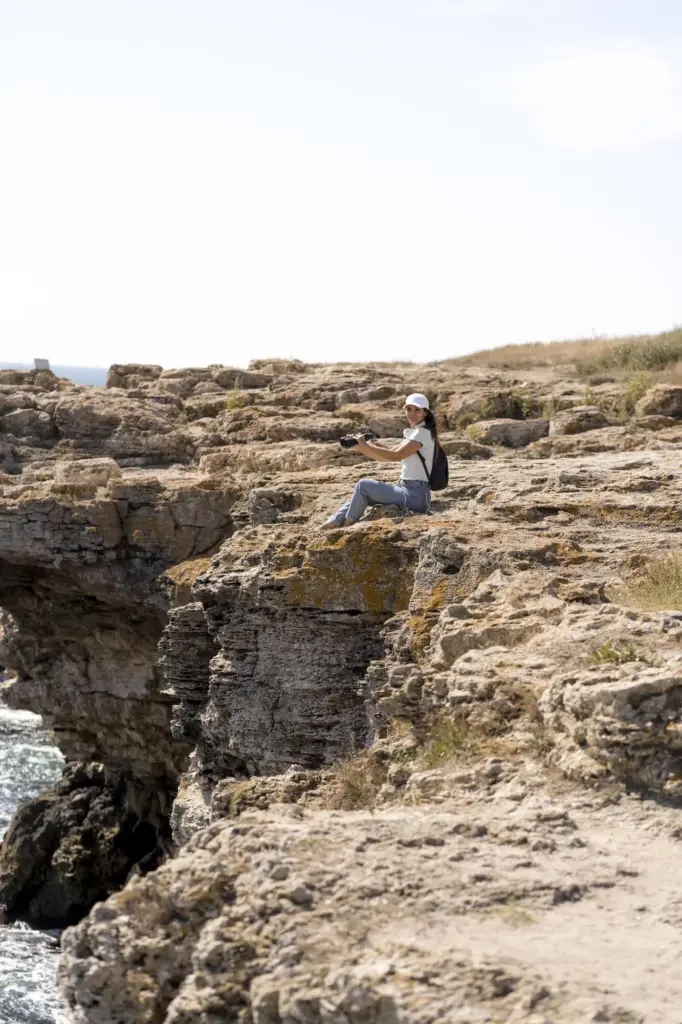
Treat moving water like a helpful friend with moods. Slack water eases beach launches, while gentle flood can usher you into pocket coves after rounding points. Cross-check NOAA predictions with local notices, then layer wind direction and fetch. Add twenty percent time buffer for wildlife pauses and gear tweaks. Schedule your hike to begin as the breeze strengthens, keeping the paddle when seas are friendliest. End with an ebb glide home or a sandy haul-out near the trailhead.

Linking Launches, Landfalls, and Footpaths

Connect a simple A-to-B shoreline paddle with a loop trail that climbs toward the lantern room, or stitch an out-and-back paddle to a point-to-point hike returning via a blufftop path. Cache dry shoes above tide line, confirm waypoints where sand becomes stairs, and note any gated access times. Printed maps beat failing batteries; a grease pencil on your deck chart helps. Plan snack spots with views, and one generous turnaround rule everyone understands before the first stroke.

One Kit for Two Worlds

Layering for Spray, Wind Ridges, and Rest Stops

Start with synthetic or merino next-to-skin, add a breathable paddle jacket, then stash a lightweight insulated midlayer for breezy overlooks. Swap neoprene booties for trail shoes stowed in a top dry bag. A brimmed cap suits sun and drizzle; a buff blocks spindrift and dust. Choose gloves that paddle without hotspots and still grip trekking poles. Keep a microfleece beanie for lighthouse balconies. Test every combination at home, then refine with real spray and sweat before a big weekend.

Food, Water, and Salt-Savvy Nutrition

Salty air and steady motion boost appetite, so pack calorie-dense, unfussy foods that survive compression. Hard cheeses, tortillas, nut butters, and dried fruit complement instant miso or bouillon during windy rests. Carry water in flexible bladders to fit hull space, plus a compact filter for streamlets along the hike. Add electrolytes for warm afternoons and a celebratory dark chocolate for the beacon base. Keep one emergency ration sealed against leaks, and rotate everything post-trip for freshness.

Packing a Hull Built for Quick Transitions

Group gear by moments: launch, land, climb, and linger. Place trail shoes and poles at the hatch mouth, jacket on top deck under bungees, snacks in a small day hatch, and camera in a waterproof sling. Balance weight fore and aft, leaving bow light enough for gentle surf landings. Use color-coded dry bags: red for safety, blue for comfort, yellow for food. A mesh tote emerges as a ready daypack. Practice a three-minute beach turnover until it feels like muscle memory.

Mariner’s Mindset Meets Trail Sense
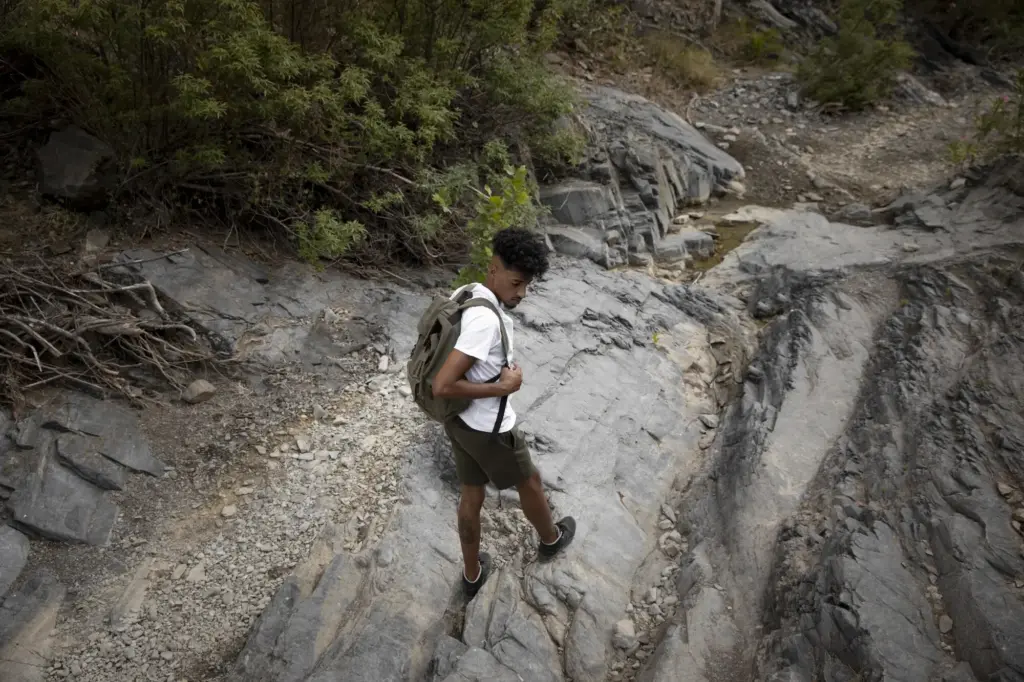
Coastal confidence blends seamanship with footwork. Read swell sets while noting cairns above tide line. Trust your chart, but verify with shoreline textures, bell buoys, and the smell of eelgrass at ebb. On land, pace yourself to avoid calf burn before a lighthouse staircase. Carry a small VHF and a whistle; cell coverage changes with cliffs. Build decisions from weakest-link comfort, not summit fever. An easy day that ends smiling beats an epic story that teaches avoidable lessons.

Fog Navigation and Finding a Quiet Cove
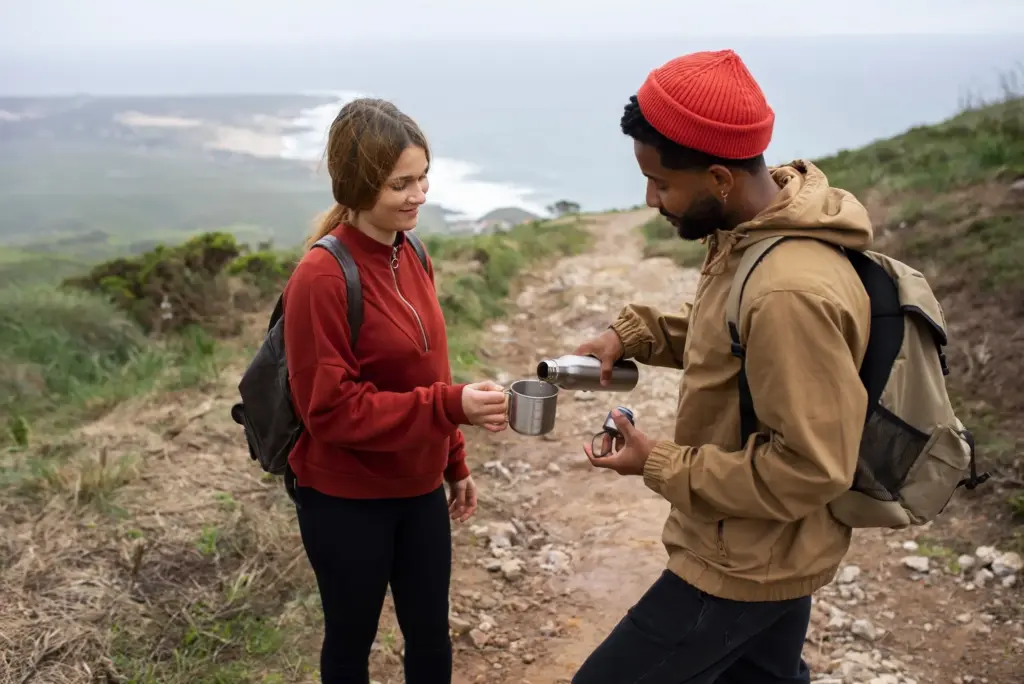
When fog softens horizons, shorten distances and sharpen methods. Set a conservative heading, track bearing drift against a kelp line, and use range marks like a chimney and pine to hold a course. Sound a horn on blind corners. If uncertainty grows, beach with care, brew something warm, and wait for texture to return to the sea. The cove will still be there, and your group’s calm will become part of its memory, layered with gull calls and muffled surf.

Clear Calls, Simple Plans, Confident Turnarounds

Agree on hand signals and radio channels before shoving off. Establish go/slow/stop cues and a non-negotiable turnaround time. Invite dissent early, reward caution, and name the outs: beach here, exit there, museum bench above. On the hike, make space for different paces with regroup points at landmarks. If a forecast shifts, pivot with grace. A shared plan is more than safety; it lets everyone actually notice porpoises rolling, lichens glowing, and the first wink from a lantern window.

Stories Written in Salt and Light

Every lighthouse carries practical brilliance and human grit: Fresnel lenses bending radiance into lifelines, keepers hauling oil through tempests, and families charting seasons by bell tolls. When you hike up from the beach with sand still in your cuffs, you join that long procession. Read plaques, talk with volunteers, and notice the artistry of ironwork. Photograph responsibly, never crossing barriers or crushing vegetation. Let curiosity, not conquest, guide your steps beneath the turning echo of history and surf.

A Keeper’s Lantern and a Notebook in the Gale

Imagine a winter night when glass rattled and fuel stung the air. A keeper climbed again, noting wind and bearings in a careful hand. Your weekend intersects that dedication, in softer weather and lighter boots. Carry a small notebook, sketch the lens cradle, and write what the sea said during your cove landing. These personal records become a private museum that outlasts phone batteries and trends, reminding you to honor the craft that once turned peril into passage.

Wildlife, Quiet Steps, and Respectful Distance

Harbor seals haul out on skerries; oystercatchers nest above wrack lines; swallows loop beneath lantern galleries. Keep kayaks wide of resting animals, land softly, and walk where rock resists footprints. Long lenses replace close approaches; whispers replace shouts. If a ranger asks for space, thank them and learn why. Teach newcomers how small choices scale across busy weekends. The story you take home should include living neighbors thriving, not startled shapes sliding into foam and silence.

Photographing Dawn Without Losing the Moment

Pre-set your camera on the beach, so you climb hands-free and attentive. Meter for the sky, bracket gently, and watch for gull silhouettes near the lantern. Use a microfiber cloth; salt spray lingers. Then pocket the device. Linger with thermos steam, listen for a buoy bell, and let the first sun paint the glass. A few thoughtful frames beat a hundred hurried snaps. Your memory deserves space to breathe, like fog lifting to reveal the headland path.

Sheltered Coves, Gentle Landings
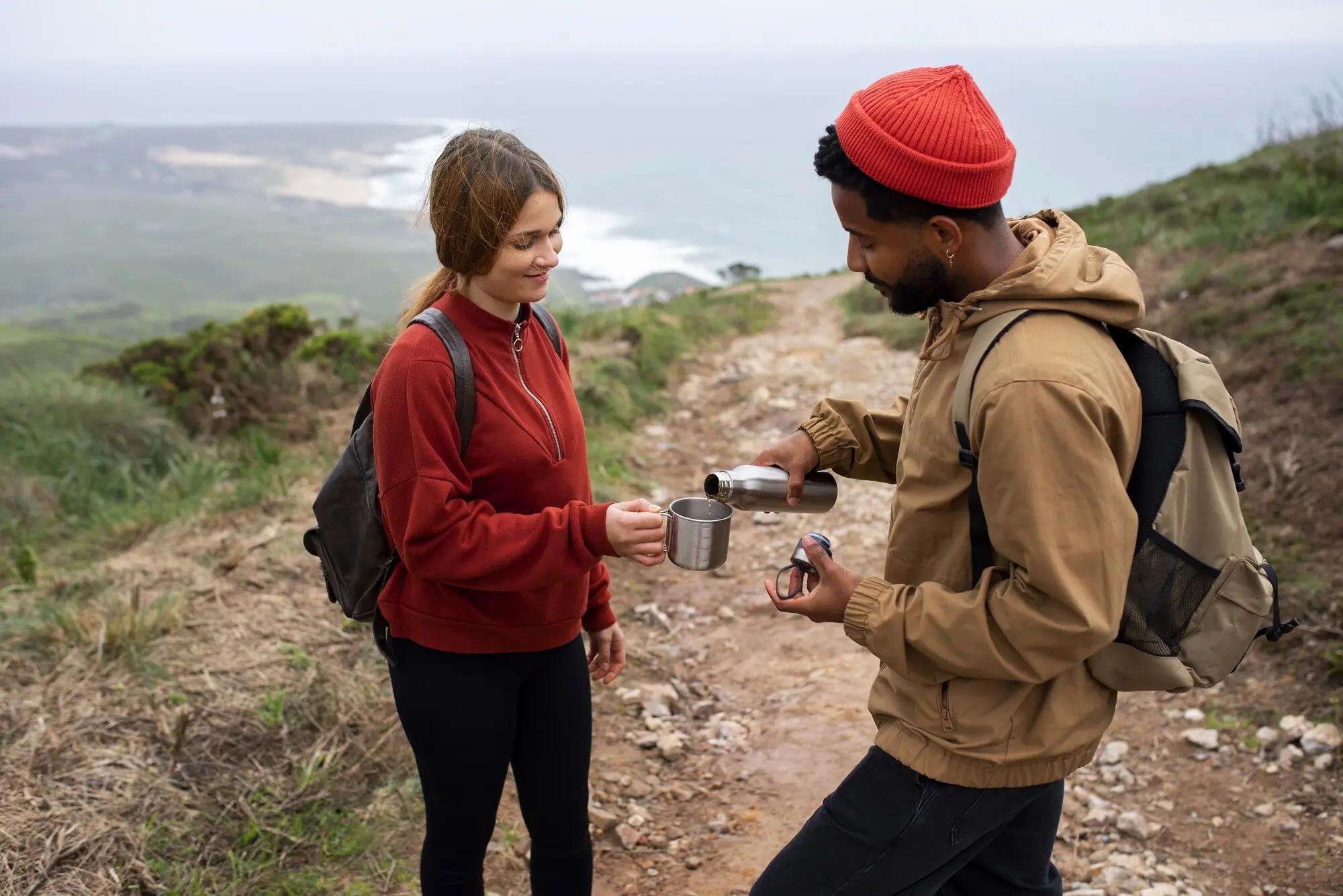
A good cove greets you with patterned kelp,-muted swell, and a sandy seam tucked beneath a headland. Learn to read texture on the water: shiny rips, darker mats, and feathered lines hinting where waves fold softly. Approach diagonally, time sets, and step out in knee-deep water to guide your bow. Stow paddles quickly, watch for crabs, and give others room. From that quiet edge, the path upward awaits, smelling of bay laurel, cedar, and salt-damp rope.

Stronger Strokes, Happier Miles

Weekenders thrive on efficiency, not heroics. Blend technique with modest fitness so every cove and lighthouse feels comfortably earned. Practice torso rotation and relaxed grip to spare wrists. Build hiking endurance with stairs and uneven paths, mirroring lighthouse climbs. Mobility keeps hips friendly during long sits, while breath work steadies balance in chop. Think small, regular sessions, not last-minute cramps. The reward is spare energy for laughter, beachcombing, and a second climb when the lantern room opens.

Stay Connected, Share the Coast

Adventures multiply when stories travel. Invite readers to swap launch tips, lighthouse trivia, and favorite hot thermos recipes. Offer your own cove photos and route sketches, then learn what others discovered when fog rewrote their plans. Subscribe for tide reminders and seasonal gear tweaks. Leave thoughtful questions that spark safer decisions and kinder shoreline habits. Together we can keep these weekenders welcoming for newcomers, meaningful for veterans, and respectful of the communities and ecosystems that host our salt-and-granite joy.

A Trip Report That Actually Helps Others

Lead with conditions, not conquest: wind speeds, swell period, tides at launch and landing. Share parking realities and restroom access. Note wildlife, closures, and the exact moment a turnaround felt right. Add simple maps or annotated photos, then name the lessons you’d keep next time. Invite corrections from locals and give credit generously. A clear, humble report becomes a lantern of its own, guiding strangers safely to the same coves without burning out the shoreline that welcomed you.

Small-Group Roles That Keep Days Smooth

Assign a navigator, a sweep, and a cheerful quartermaster who tracks snacks and time. Rotate jobs so everyone learns. On land, a pace-setter honors knees and curiosity equally. Build a habit of micro-debriefs at natural pauses: what felt easy, what felt spicy, what we change. Praise good calls loudly. When weather edits plans, the roles hold the day together, letting laughter fill the space where stress might swell. Structure is the invisible comfort under spontaneous smiles.

Sharing Without Oversharing: Geotags and Guardianship
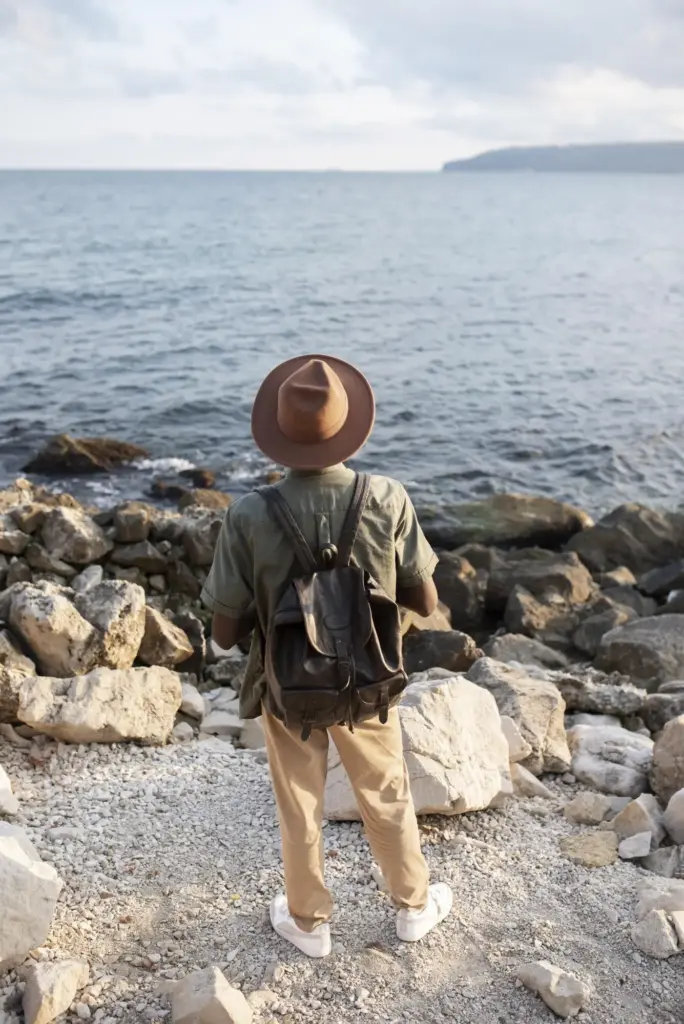
Celebrate places while protecting them. Consider broad tags—“north coast cove,” “historic headland”—instead of pin-drops to fragile beaches or rookeries. Highlight etiquette over exact coordinates, teaching readers how to find beauty thoughtfully. Credit Indigenous lands and local stewards, linking to volunteer groups you admire. If you must share specifics, include carrying-capacity advice and seasonal sensitivity notes. The coastline remembers our choices; let your posts widen appreciation, not footprints, so future weekenders inherit thriving silence and generous horizons.
Miramexosanonarivexozunonexo
Privacy Overview

This website uses cookies so that we can provide you with the best user experience possible. Cookie information is stored in your browser and performs functions such as recognising you when you return to our website and helping our team to understand which sections of the website you find most interesting and useful.