Chasing Ocean Light on Weekend Escapes

Step into salty air and soft horizons as we explore Coastal Photography Weekenders: Sunrise Coves and Sunset Lighthouses. Pack light, rise before gulls, and linger long after lanterns glow to catch tide-sculpted textures and skyfire reflections. Expect hard-earned tips, field checklists, humane safety habits, and joyful stories about missed alarms turned lucky saves. Share your coastal rituals, subscribe for new road-tested routes, and ask anything between edits. Together, we will make images that still sound like waves and smell faintly of kelp when you scroll them later.

Weather sealing and saltproof habits

Choose weather-sealed bodies and lenses, yet treat sealing as a safety net, not a license for dunking. Rinse tripod legs with fresh water, wipe barrels after mist, and clean gaskets gently. Keep ziplock bags for temporary protection, then let gear fully dry. Rotate microfiber cloths to avoid grinding salt into coatings. Store overnight with silica packets, venting bags in the car before warmth meets moisture. Your images stay crisp when your maintenance is boring, consistent, and almost ritualistic.

Tripods, feet, and stability on shifting sand
Stability decides whether sunrise detail holds. Use spiked feet on firm sand or rock, and consider snow baskets to prevent sinking. Hang a dry bag with stones for wind damping, but keep it lightly touching the ground to avoid pendulum sway. Extend thicker legs first, keep lower locks out of surf, and face an unused leg toward incoming waves for bracing. On slippery kelp, test before trusting. A two-second timer or remote reduces micro-shake, especially when gulls circle and gusts arrive.

Filters, hoods, and front‑element discipline
Bring a circular polarizer to tame glare on wet stone and reveal tide-pool life, yet rotate cautiously to avoid uneven skies. Graduated neutral density helps balance bright horizons against shadowed coves. A 6‑stop or 10‑stop filter stretches water into silk without erasing character. Always shield with a hood, blot droplets instead of smearing, and swap to a clean cloth before the last wipe. Discipline here preserves contrast, spares you cloning later, and keeps the mood honest and luminous.

Tide timing and cove access windows

Certain coves reveal sandstone shelves only at lower tides, opening reflective foregrounds and safe footing. Others trap the unwary as water returns along hidden channels. Study local charts, note minus-tide opportunities, and pre-walk exit routes before darkness. Photograph slippery textures on the ebb, not the flood, and watch for surge sets that arrive without warning. Log what worked, including exact tide height, so you can return with precision. Prepared timing converts luck into repeatable magic and safer storytelling.

Marine layers, wind, and microclimates
Coastal microclimates shape light more than forecasts suggest. Marine layers may drift inland before dawn, muting color yet amplifying depth and mystery. Offshore winds flatten chop and clarify reflections; onshore winds stack spray and scatter highlights. Use tools that visualize wind at multiple altitudes, then scout leeward coves where cliffs block gusts. Carry a lens cloth in your pocket, not your bag, because mist respects no zipper. Accept shifting skies as creative prompts, not obstacles, and you’ll frame atmosphere that feels lived-in.

Framing Wonder: Compositions at Coves and Beacons

Coastal scenes demand balance between restless water, carved foregrounds, and the calm certainty of a beacon. Build depth with near textures, midline flow, and distant anchors. Lean on leading lines, repeating shapes, and negative space that breathes like a tide. Move deliberately, change height, and audition lenses before the sky peaks. Consider verticals for cliffs, panoramas for sweeping coves, and human presence for empathy. When composition holds, light merely reveals what your structure already promises: clarity, story, and belonging.

Safety, Access, and Stewardship Along Fragile Shores
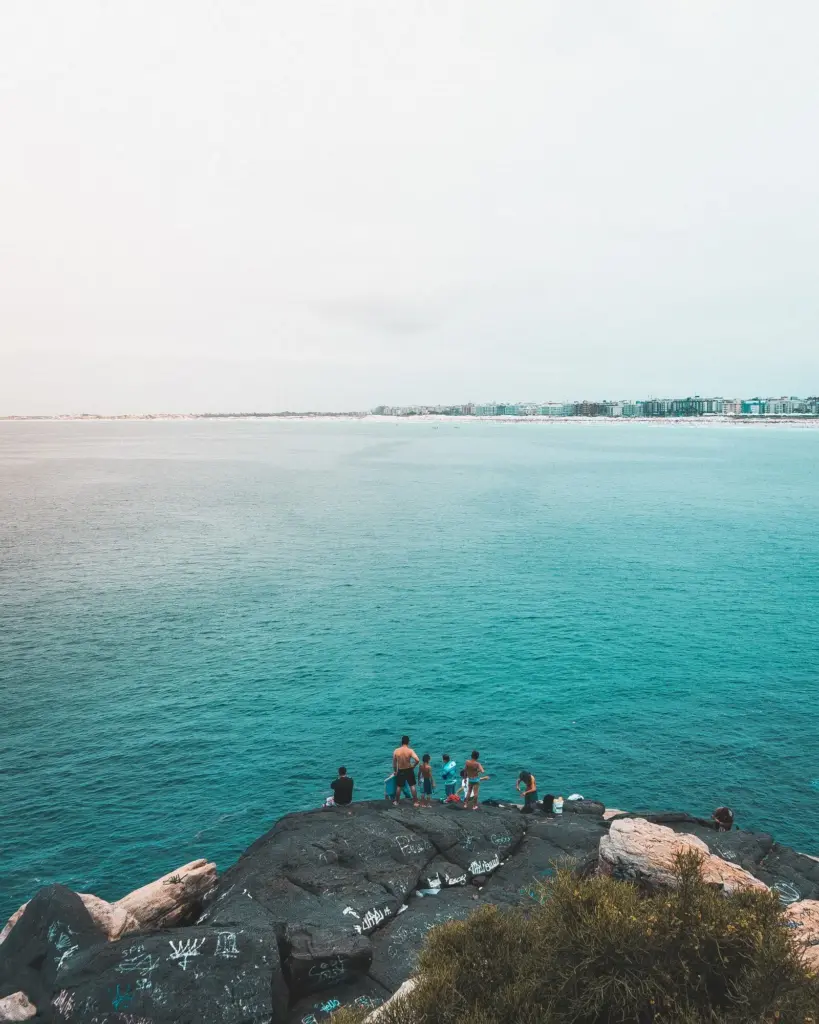
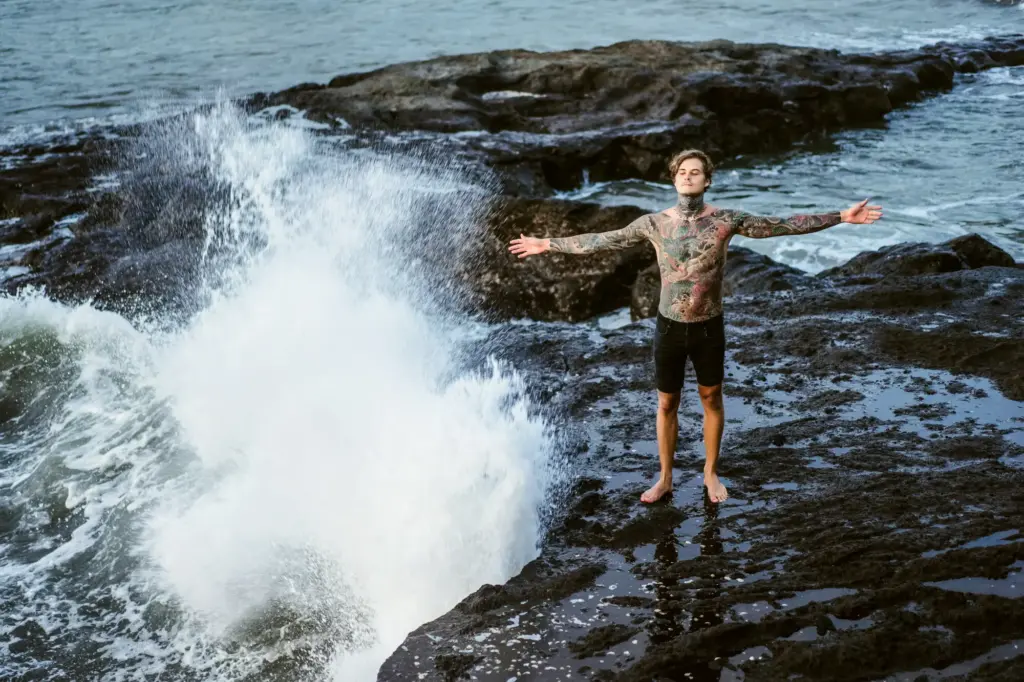
Beauty without care can cost injuries or habitats. Rogue waves ignore your bucket list, and cliff edges undercut silently. Read local advisories, respect signage, and keep an eye on ocean sets while the other watches footing. Pack a headlamp, whistle, and first‑aid basics. Stay off vegetation mats that anchor dunes and protect nesting birds. Ask lighthouse volunteers about boundaries; they often share hidden viewpoints responsibly. Your photographs strengthen when your presence leaves only light footprints and grateful conversations with coastal neighbors.

Weekend Flow: From First Light to Last Lantern

A well-paced weekend reserves energy for crucial minutes when the sky opens. Scout mid‑day, nap when light is flat, and eat early so sunset belongs to composition, not sandwiches. Track civil, nautical, and astronomical twilights for transitions. Pack for dew and cold even in summer. Keep a flexible plan with backup coves leeward of the wind. Invite companions into decisions, and celebrate small wins. The best weekend feels like a tide: purposeful surges, gentle retreats, and a luminous goodbye.

01

Friday arrival and first‑light prep

Reach town with daylight left to scout parking, paths, and tide-safe exits. Charge batteries while you eat, label cards, and stage clothing for a frictionless pre-dawn. Drop pins for coves with varied orientations so wind or clouds won’t cancel you. Set alarms early enough to sip something warm without hurry. Visualize two compositions before sleep. A calm start buys attention for sound, texture, and the little gull that lands perfectly on that rock precisely when the horizon blushes.

02

Saturday cadence from dawn to blue hour

Greet sunrise at your primary cove, then pivot to a headland when the sun climbs and textures flatten. Mid‑morning, back up images twice and hydrate. Scout a lighthouse in harsh light to map safe night paths. Eat early, check wind shifts, and choose a sunset angle that stacks glow over reflective pools. Stay for blue hour; it often gifts subtler magic. Debrief with companions, note settings that worked, and fall asleep proud, planning a quieter, deeper encore tomorrow.

03

Sunday wrap, backups, and goodbyes

Return at dawn to a secondary viewpoint for variance. After shooting, wipe gear, rinse tripod legs, and let everything dry before packing. Backup to two drives and a cloud folder while you brunch. Swing by the lighthouse museum to thank volunteers and learn a keeper’s anecdote. Share a teaser image with your community, invite questions, and jot lessons for next time. Leaving feels lighter when your files are safe, your gratitude spoken, and your legs pleasantly salt‑tired.
From RAW to Radiance: Editing Sea, Sky, and Stone
Post‑processing should honor how the shore felt: crisp air, moving water, lantern warmth, and patient shadows. Start with lens corrections, gentle profiles, and balanced white balance tuned by memory rather than sliders alone. Use HSL to nudge aquas without cartoonish teal. Split tone or color grade subtly toward warm highlights and cooler shadows, echoing golden hour against marine blue. Preserve detail through selective contrast, not blanket clarity. Finish with thoughtful vignettes and spot removal that erase spray, not character.
Miramexosanonarivexozunonexo
Privacy Overview

This website uses cookies so that we can provide you with the best user experience possible. Cookie information is stored in your browser and performs functions such as recognising you when you return to our website and helping our team to understand which sections of the website you find most interesting and useful.