
From Beacons to Secret Bays: A Weekend Among Tidepools and Trails

Set out for a weekend exploring tidepools and wildlife trails that weave from steadfast lighthouse points to quiet, hidden coves where the ocean whispers secrets. We’ll guide you through tide timing, safe routes, respectful wildlife encounters, packing smarts, and stories etched into coastal cliffs. Expect practical checklists, field notes, and gentle reminders that curiosity pairs best with care. Whether you walk sandy crescents or scramble barnacled shelves, this journey celebrates wonder, stewardship, and the simple joy of watching waves carve time into stone.

Charting the Coastline Weekend

Picking the Right Weekend Window

Tidepooling shines during daylight low tides, ideally at or below minus tides, when colorful anemones, chitons, sculpins, and sea stars are briefly revealed. Scan tide tables for back-to-back low tides to string morning and afternoon wanders. Cross-check swell forecasts, wind speeds, and daylight hours, and leave flexibility for fog or closures. Choose shoulder seasons for calmer crowds, and always keep a backup lighthouse or sheltered cove when ocean moods turn unpredictable and safety requires a gentler shoreline.

Mapping Beacon-to-Cove Routes

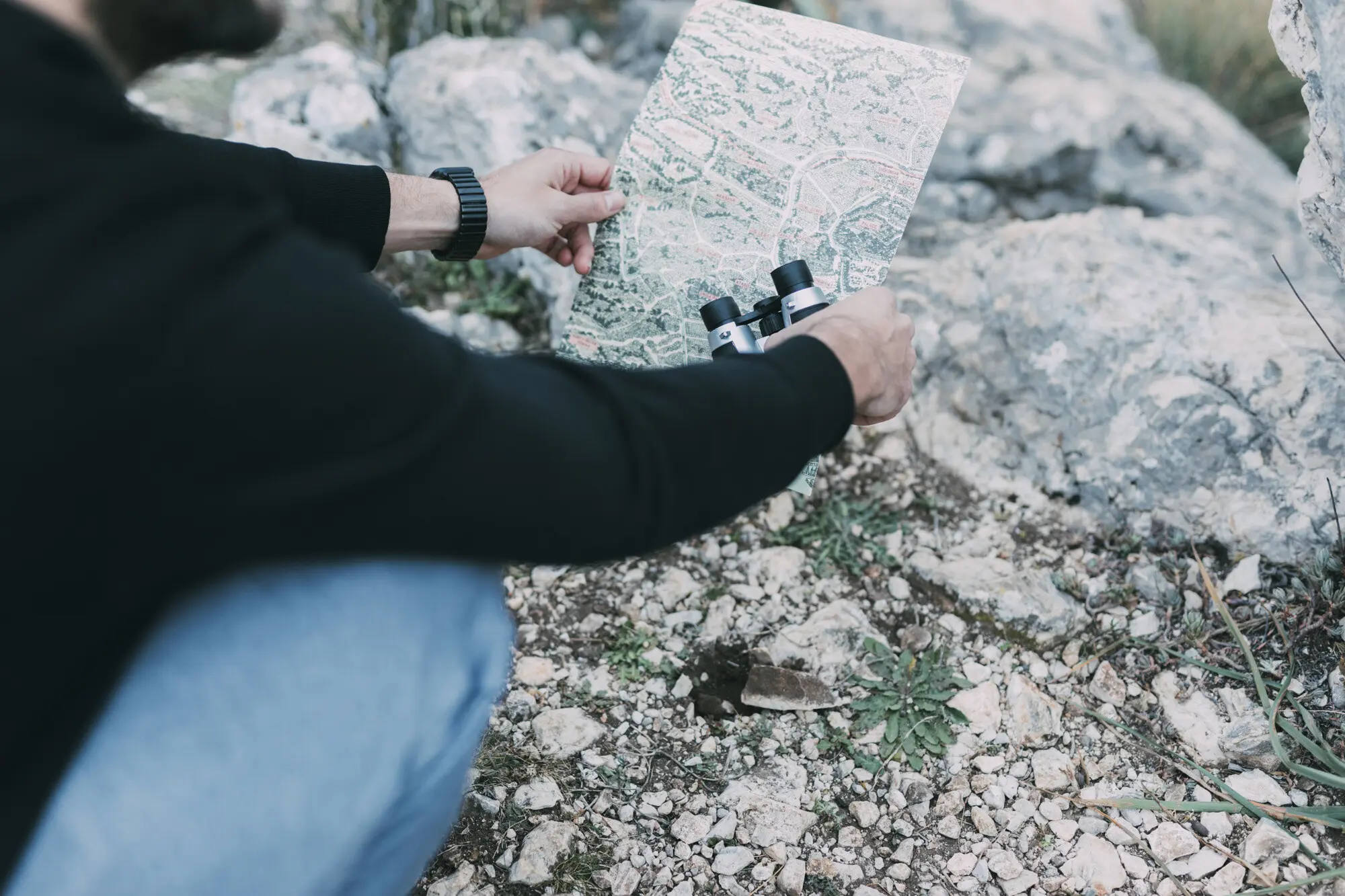
Start with a lighthouse as a fixed point, then trace coastal trails that curve toward quieter inlets. Use park maps layered with satellite views to spot pocket beaches and reef shelves. Identify signed stairways and escape routes, and note where cliffs pinch the path at high tide. Capture GPX tracks for offline use, mark potable water spigots, and favor loops that finish near sunset-friendly overlooks, letting you transition gracefully from wave-watching to the lantern’s evening glow.

Building a Flexible Plan

Draft an A-route linking lighthouse overlooks, intertidal shelves, and a cove lunch spot, but sketch B and C options with safer footing if swells rise or rains gloss the rocks. Assign time buffers around tide changes and photo pauses, and keep snacks at the ready. Share intentions and check-in times with a friend, then embrace changes like a revealed sandbar or ranger-led talk. Flexibility keeps curiosity joyful, while structure ensures you return before darkness and shifting currents complicate the shoreline.

Tides, Swells, and Shoreline Safety

The sea invites and instructs in equal measure. Reading tide tables, interpreting buoy data, and recognizing wave sets transform uncertainty into calm confidence. Barnacled rocks demand careful steps, while sneaker waves demand uncompromising respect. With smart prep—grippy footwear, situational awareness, and an eye for safe exits—you can linger where pools gleam and still keep risk low. Here we translate marine numbers into felt realities, so you explore widely and return with dry socks, steady smiles, and stories worth retelling.

Reading Tide Tables Like a Local

Look beyond the single lowest listing and consider the full arc of the day: high-to-low differentials, timing relative to sunrise, and how a long ebb exposes shelves progressively. Cross-reference multiple sources, then relate predictions to specific coves, where topography shifts exposure minutes earlier or later. Remember that minus tides often concentrate life and visitors alike, so arrive early, stay patient, and keep an eye on channels that refill first, ensuring your return path remains safely passable as waters rise.

Footing on Barnacled Stone

Step on bare, stable rock, not glossy seaweed or living creatures. Test each foothold before committing weight, keeping your center low and movements deliberate. Grippy soles help, but awareness helps more: scan ahead for dry patches, avoid jumping gaps, and never rush. When crossing surge channels, time your move between wave sets. Use your hands responsibly—rock offers balance points, not anchors to pry loose. A calm pace preserves your ankles, the habitat, and the quiet magic of exploration.

Meeting Coastal Wildlife with Care

Intertidal zones and cliff paths teem with life: anemones closing gently, hermit crabs fussing, black oystercatchers piping, and harbor seals basking on kelp-strewn rocks. Admiration becomes protection when distance, quiet movements, and leave-no-trace habits guide every step. Hands stay dry and out of pools, dogs remain leashed away from rookeries, and shells return to their homes. With mindfulness, observation deepens, photographs improve, and fragile rhythms continue unbroken. Let patience be your superpower, and curiosity your compass all along the living edge.

Tidepool Life Up Close

Kneel at the pool’s rim and let your eyes adjust to micro-worlds: nudibranchs unfurling frilled edges, sculpins flashing camouflage, anemone tentacles tasting currents. Resist touching; oils and warmth cause harm. Use a polarized lens to cut glare and notice textures, then step back the way you approached. Replace any overturned stone exactly as found. Celebrate sightings in a notebook rather than in your hands. Each careful choice preserves homes that must endure pounding tides long after your footsteps fade.

Birding Along Clifftop Paths

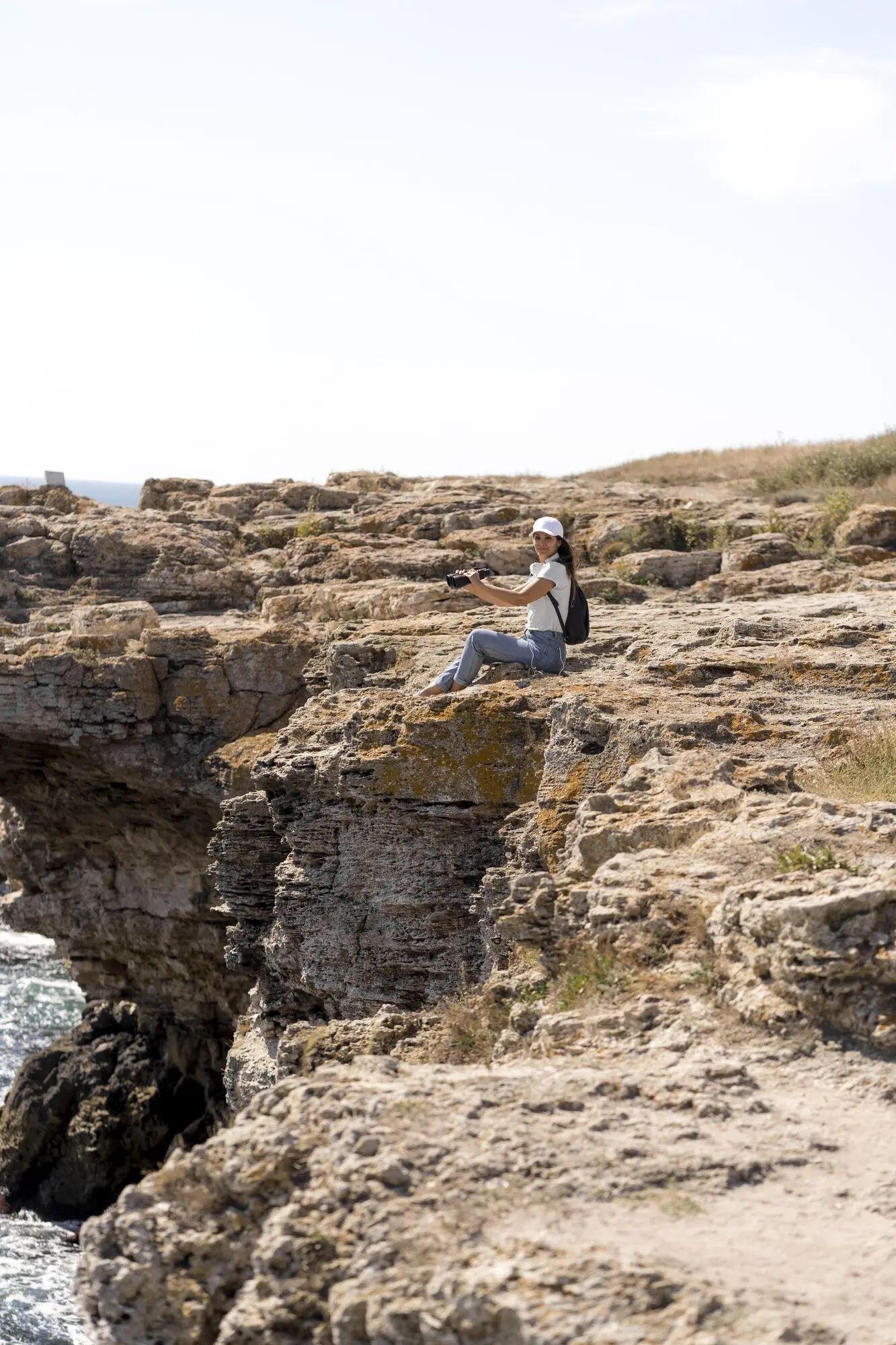
Scan for pelicans gliding in ground effect, murres rafting offshore, and oystercatchers patrolling wave-washed rock. Keep voices low during nesting seasons and give ledges a wide berth. A compact binocular reveals distant behaviors without encroachment. Note wind direction for smoother photography and steadier notes. If a bird changes posture, stares, or flushes, you are too close—step back and wait. Respect invites return visits where trust grows, and rare moments unfold naturally, framed by sea spray and soft morning light.

Lighthouse Stories and Hidden Cove Discoveries

Keeper Tales and Maritime Echoes

Pause at interpretive plaques or chat with docents to uncover storms survived, beams upgraded, and lives lived between lantern checks. Imagine the isolation softened by routine and the relief of a ship glimpsing salvation through fog. Let these voices accompany your steps to the cove below, where drift-lashed logs echo those tempests. Write a line or two in your journal, honoring caretakers who tended safety so wanderers today can pursue quiet, curious mornings along the same rugged edges.

Golden Hour at the Lantern Room

As the sun slides seaward, glass panels catch fire, and gulls sketch silver arcs against amber clouds. Position yourself where reflections and coastline align, avoiding foot traffic and respecting closure lines. Photograph with restraint so you still watch with unmediated eyes. Then close your camera, breathe the salt, and listen for the low thrum of waves rolling shingle. The memory of light inside light will follow you down the path, guiding your steps to twilight’s first stars.

Quiet Entrances to Secret Bays

Hidden coves often begin as a hint: a break in the wind, a muted roar, stairs half-veiled by salal. Before descending, verify the tide window and confirm your exit. Down below, find a perch above the splash line and let your senses acclimate. Mottled crabs skitter, kelp sways like pennants, and tiny waterfalls comb the sand. Take only photos, lift nothing living, and trace your way back with daylight to spare, gratitude warming every careful step.

Footwear and Layering That Works

Barnacled stone and wet kelp punish casual shoes. Choose lugged soles with sticky rubber, then pair merino socks and quick-dry pants that shrug off spray. On top, combine a wicking base, warmth layer, and wind shell for shifting weather. Gloves with grip protect hands during scrambles. Pack a dry pair of socks in a sealed bag for post-tidepool comfort. When feet and core stay happy, your patience stretches naturally, and discoveries multiply with every unhurried, confident step along the shore.

Pocket Field Kit for Curiosity

Slip a small notebook, pencil, mini ruler, and laminated species card into a zip bag. Add a polarized clip, compact binoculars, and a phone loaded with offline maps and tide charts. A reusable bag corrals found trash without touching sharp edges. Use your notes to sketch pool layouts, log tide levels, and record calls you later identify. Curiosity improves with tools that keep your hands free, your senses engaged, and your observations respectful, exact, and beautifully shareable with friends afterward.

Photography Without Disturbance

Compose from the pool’s edge, letting natural lines lead the eye while keeping your weight off fragile zones. Favor longer focal lengths and higher ISOs over stepping closer. Use a circular polarizer, work quickly, and pause whenever wildlife shifts behavior. Capture context—lighthouse silhouettes, foam textures, kelp ribbons—so images tell layered stories. Most importantly, put the camera down often. The stillness you grant a scene becomes the stillness visible in your images, a quiet pact between patient witness and wild shoreline.

Routes to Remember and Ways to Share

A weekend’s shape might arc from dawn at a lighthouse overlook to midday tidepool lingering, then an afternoon traverse toward a sheltered cove and a sunset return. Along the way, jot coordinates, sketches, and feelings sparked by salt light and seabird calls. Share responsibly—never geotag sensitive rookeries—and channel enthusiasm into community science or thoughtful comments that help others tread lightly. Subscribe for new route ideas, post-trip checklists, and seasonal windows when minus tides and calm swells align perfectly.

Sunrise to Moonrise Itinerary

Begin pre-dawn with a thermos and a layered jacket at a lighthouse turnout, greeting pelagic silhouettes against softening skies. Mid-morning, descend to a known shelf during the lowest tide, then retreat before surge returns. Lunch on a bluff bench, journaling sounds, textures, and wind shifts. Afternoon brings a gentler trail to a wind-shadowed cove. Conclude with blue-hour photographs near the beacon. Always pivot as conditions demand, celebrating each safe return as part of the day’s bright, salt-scented success.
Journaling Your Coastal Weekend

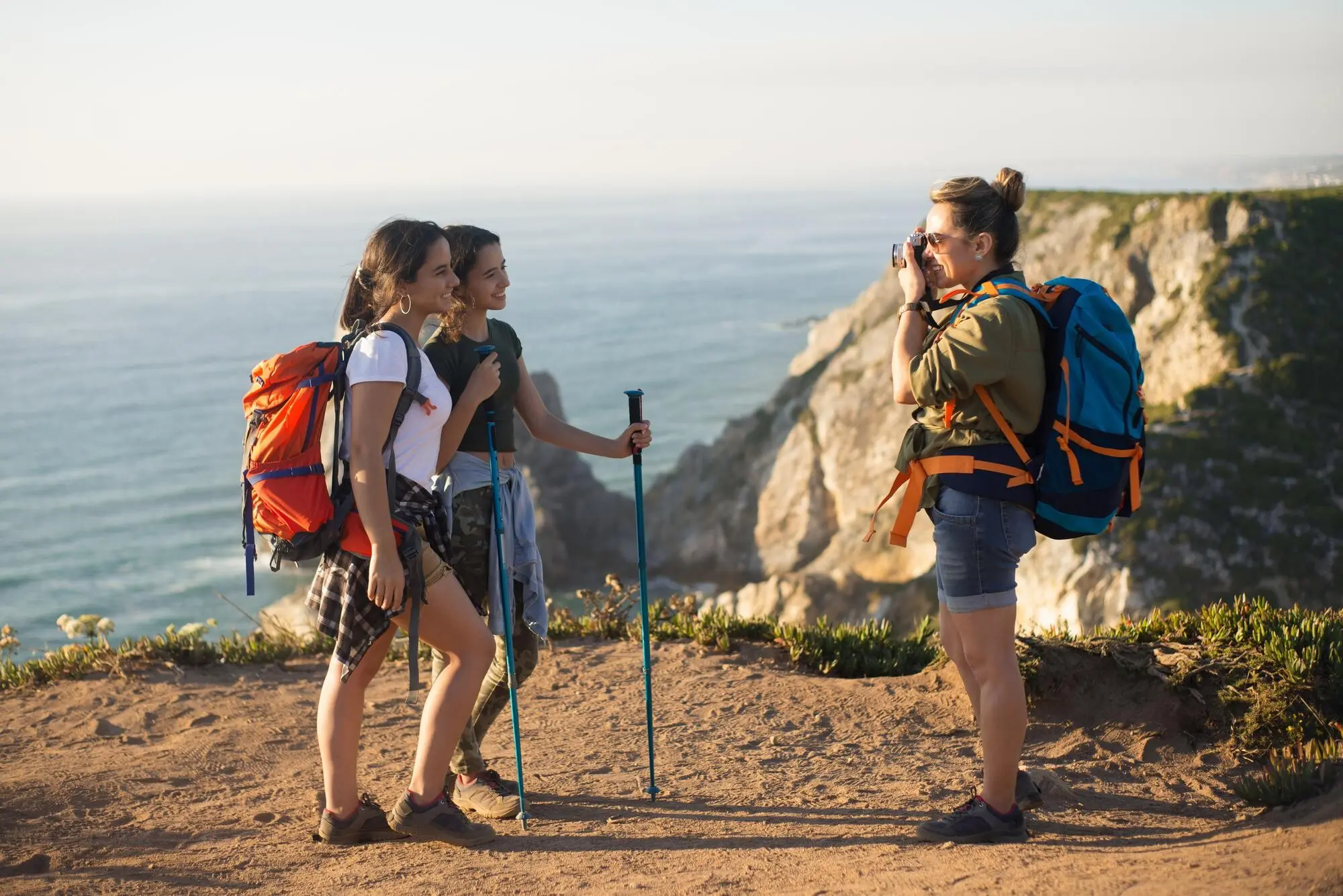
Anchor memories with specifics: tide height, swell period, wind direction, and the color of an anemone’s ring. Sketch a tidepool’s micro-topography and note solitude or crowd patterns by hour. Capture lighthouse anecdotes, place names, and small mishaps that taught bigger lessons. Later, your notes decode photographs, inspire maps, and guide future plans. Writing slows time, turning a swift weekend into a layered record where gratitude gathers like sand in pockets, carried home and revisited whenever daily life feels inland-dry.
Join the Conversation and Keep Exploring

Share respectful observations, favorite safety tips, and gear tweaks in the comments, helping newcomers navigate confidently from lighthouse overlooks to quiet coves. Ask questions about tide windows or bird calls, and subscribe for monthly route collections and citizen-science prompts. Your voice expands the shoreline’s welcome without revealing sensitive nesting ledges or resting haul-outs. Together we trade encouragement, refine practices, and keep the coast vibrant for next weekends—where discovery, patience, and care continue to guide every salt-warmed step.
Miramexosanonarivexozunonexo
Privacy Overview

This website uses cookies so that we can provide you with the best user experience possible. Cookie information is stored in your browser and performs functions such as recognising you when you return to our website and helping our team to understand which sections of the website you find most interesting and useful.